
Declaration Team
Meet the team members bringing the Declaration to life.
Declaration Steering Group
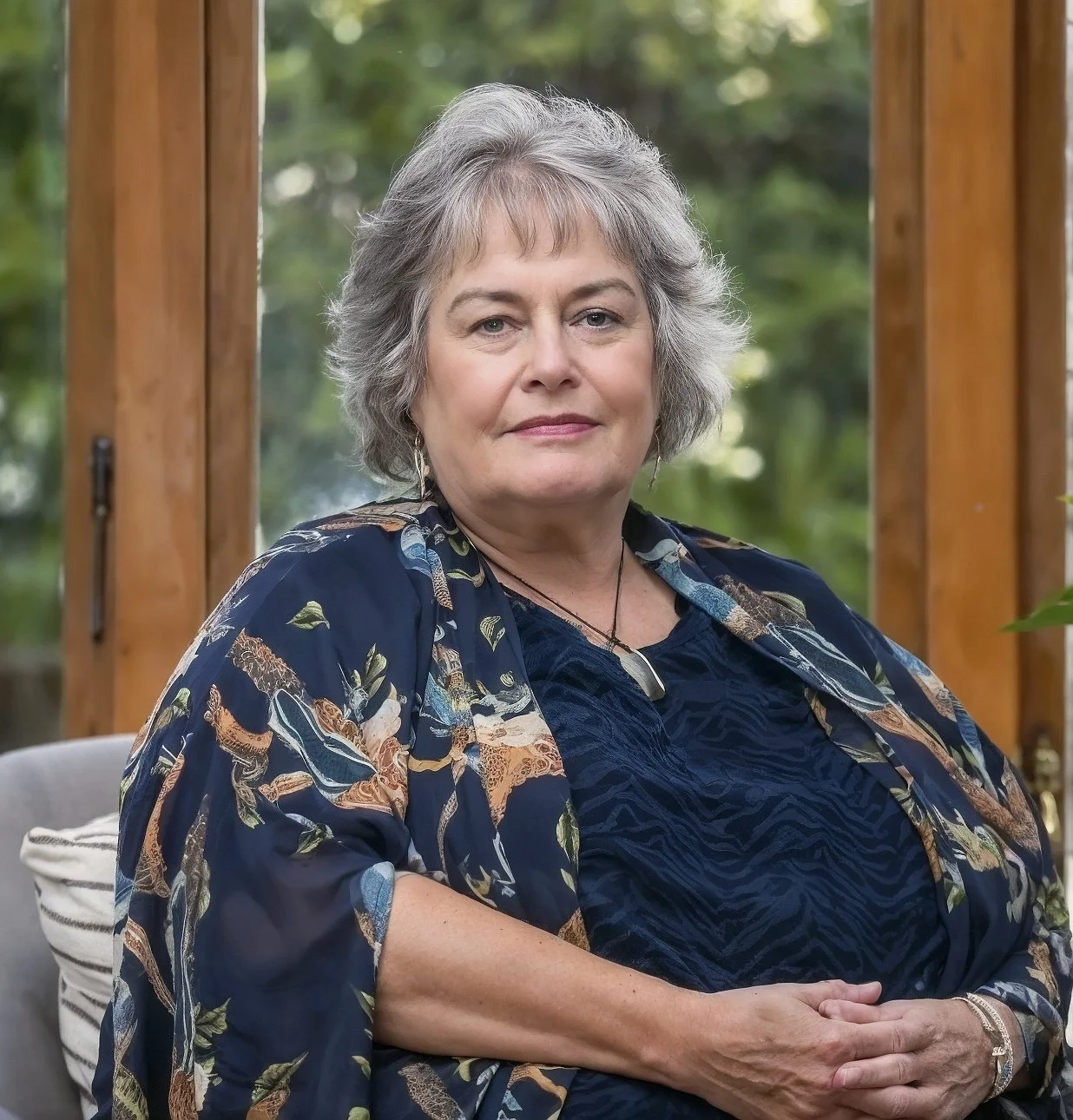
Co-Chair
Associate Professor Bernadette Huatau-Jones
Ngā Wairiki, Ngāti Apa
-
Bernadette Huatau Jones (Ngā Wairiki, Ngāti Apa) is the Co-Chair of the Disability Declaration Aotearoa NZ Steering Group, and is Chair of the National Taumata of Tāngata Whaikaha Māori o Aotearoa | TAMA.
She is a kaupapa Māori health researcher, registered nurse, and Co-Principal Investigator of the Te Ao Mārama National Māori Health, Wellbeing and Disability Panel. Bernadette is an Associate Professor in the Department of Medicine at the University of Otago, Wellington, and Co-Director of the Foundation for Equity and Research New Zealand (FERNZ). She brings five decades of clinical and research practice across Aotearoa and Australia, alongside lived experience of disability.
Bernadette's scholarship sits at the intersection of identity, intersectionality, and health equity for tāngata whaikaha Māori. She is lead author of Karanga Rua, Karanga Maha: Māori with lived experience of disability self-determining their own identities, and a co-author of The Multidimensional Impacts of Inequities for Tāngata Whaikaha Māori and Intersectionality and Health Equity. Her work has shaped how Aotearoa understands the paradigmatic misalignment between Global North disability constructs and Māori identity, and has built the empirical case for measuring disability through Te Pae Mahutonga rather than imported diagnostic frames.
Bernadette is the Pou leader for TAMA in Te Whanganui-a-Tara (Wellington), and chairs the national taumata (leadership council) of the 15 regional Pou leaders from across Aotearoa on behalf of TAMA. She is passionate about building high-trust, co-productive research teams that translate Indigenous evidence into equity for whānau Māori, and in building tāngata whaikaha Māori leadership capacity.
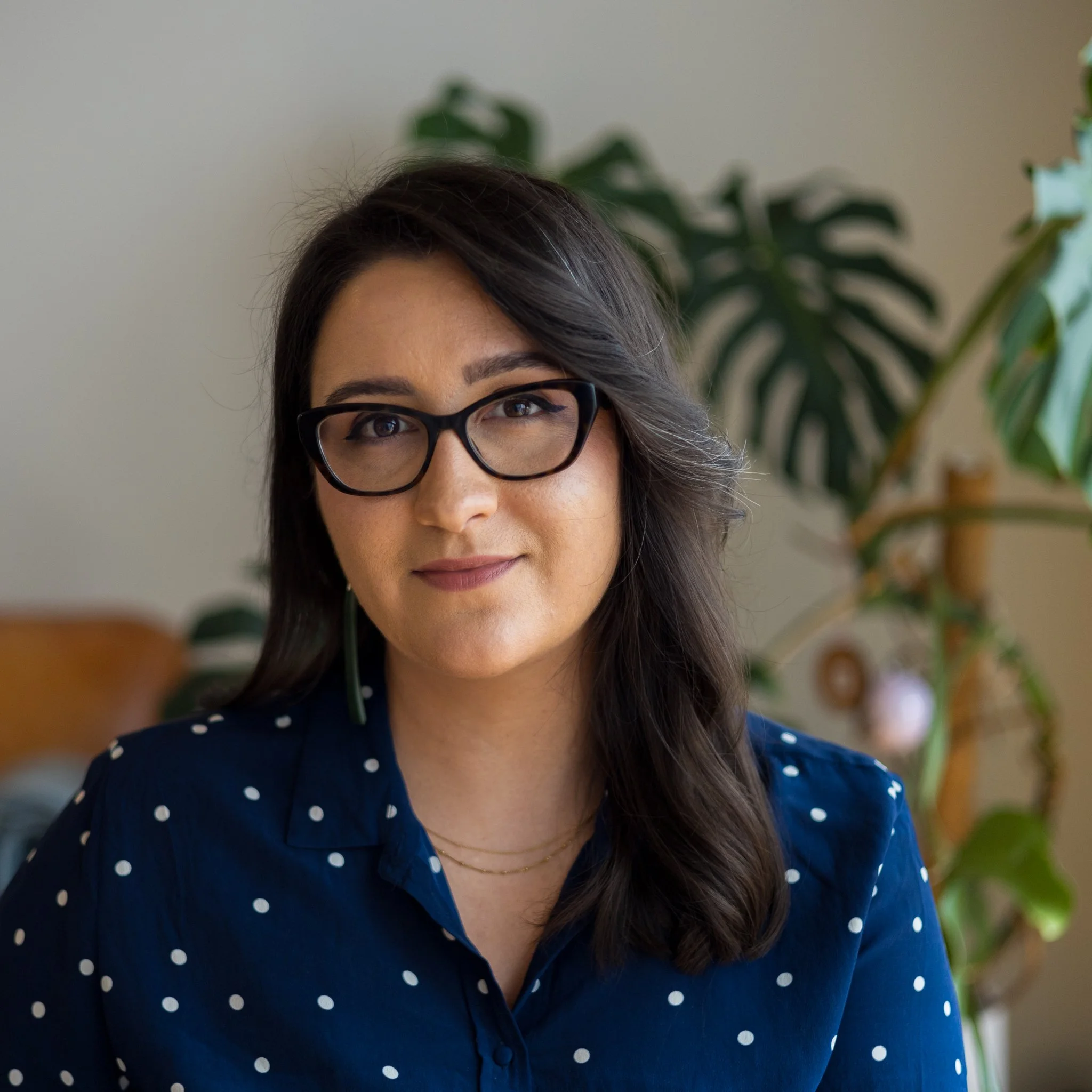
Co-Chair
Kera Sherwood-O’Regan
Kāi Tahu, Kāti Māmoe, Waitaha
-
Kera Sherwood-O'Regan is the Co-Chair of the Disability Declaration Aotearoa NZ Steering Group, and is a proudly disabled and neurodivergent woman from the Kāi Tahu, Kāti Māmoe, and Waitaha people of Te Waipounamu – the South Island of New Zealand. O’Regan is currently serving as National President of New Zealand’s pan-impairment Disabled Persons Organisation – the Disabled Persons Assembly (DPA) – which represents the voices of disabled members and advocates for systemic change and equity for disabled people in Aotearoa.
She represents DPA on the DPO Coalition (Coalition of OPDs), which she is currently chairing. O’Regan represents the DPO Coalition on the Whaikaha – Ministry of Disabled People Strategic Advisory Network, and on the Independent Monitoring Mechanism (IMM) which monitors the New Zealand government’s implementation of the UNCRPD.
As the co-founder of a social impact agency dedicated to Indigenous and Disability rights and climate change (Activate Agency), O’Regan’s work centers communities in social change movements – embodying the principle “Nothing About Us Without Us”, drawing on mātauraka Māori (Indigenous knowledge and practices), and prioritising the principle of Free Prior and Informed Consent in media and changemaking.
In her spare time, she runs online support for people with Fibromyalgia; advocates for Indigenous and disability rights within the United Nations Climate Change system with the International Indigenous Peoples’ Forum on Climate Change and the SustainedAbility Disability and Climate Network.
Kera is a Climate Reality Leader; Center for Australian Progress Campaigning Fellow; an UNLEASH Innovation Lab 2019 Global Talent on SDG 13 (Climate Change); and was named one of the BBC’s 100 Women of 2023 for her work on Indigenous & Disability rights and Climate Change.
Recent writing includes co-authoring “From threat to opportunity: Climate change and health in Aotearoa” with Dr Rhys Jones, and “Nothing about us without us: Climate change and disability justice” with Jason Boberg - both in Climate Aotearoa, Ed. Helen Clark; and contributing to Children, Citizenship, and Environment by Prof. Bronywn Hayward, and The Intersectional Environmentalist by Leah Thomas.
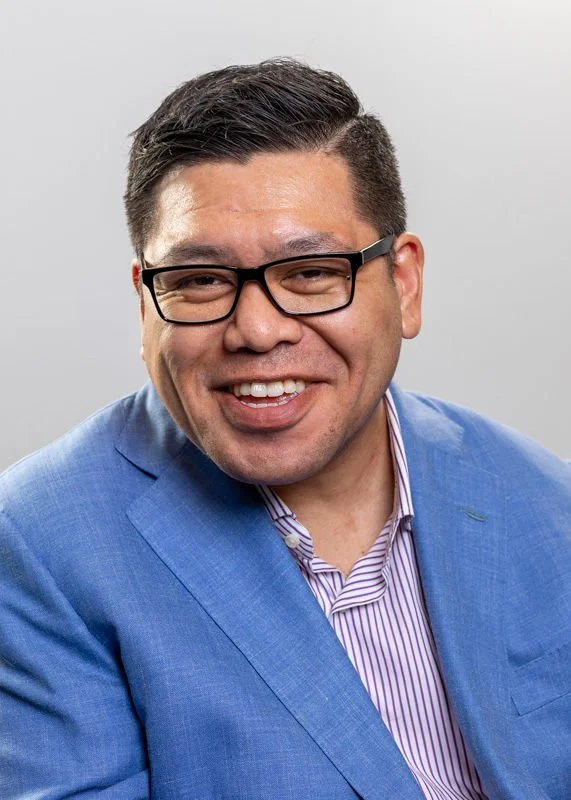
Jade Farrar MNZM
Cook Islands, Italy
-
Jade Farrar MNZM is a disability rights advocate and governance leader working towards an accessible Aotearoa where disabled people and their whānau have greater choice and control over their lives.
He chairs the National Enabling Good Lives Leadership Group and has contributed to the development and implementation of the Enabling Good Lives approach for a decade. His contributions to NEGL include taking on the Pacific portfolio and contributing to the high-level design of the EGL-based system transformation
Jade combines lived experience of disability with strategic leadership and practical work to improve how organisations and systems respond to disabled people. He brings extensive governance experience across organisations focused on disability support. His work is grounded in self-determination, equity and inclusion, guided by the United Nations Convention on the Rights of Persons with Disabilities.
As a director of Epic Studios, Jade brings together communications, technology and strategic advice, helping organisations make their communications and digital media more accessible.
Jade contributes his experience of disability leadership, governance and system transformation to the steering group.
Gordon Jackman
Takata Tiriti
-
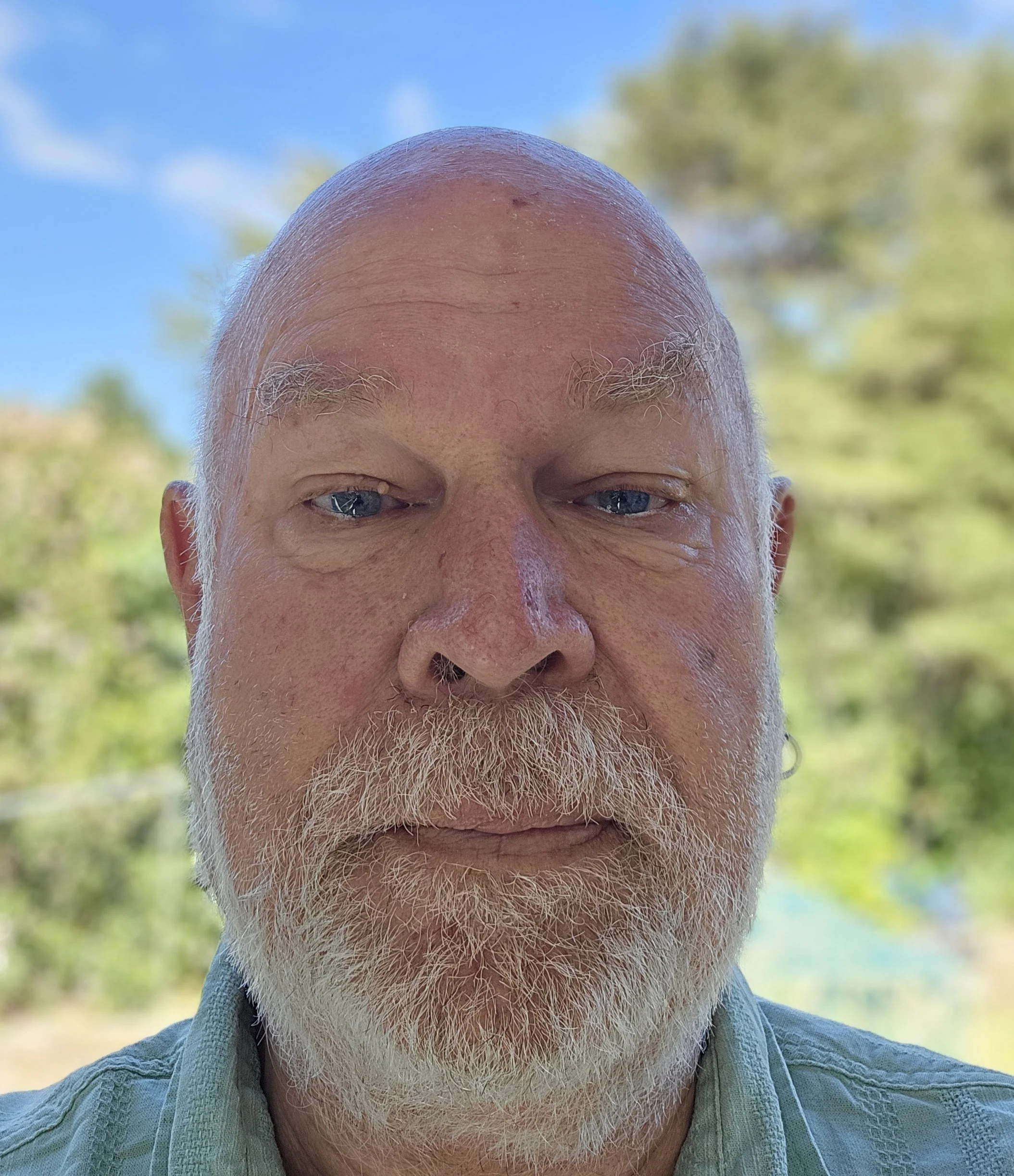
Gordon has an MA 1st in Archaeology and worked on the East Coast as an archaeologist for many years. He has had a parallel career as an Environmental Consultant, specialising in environmental toxicology, contaminated site management, wastewater treatment and forestry certification.
Gordon had polio when he was 10 months old and has been active in the disability sector most of his life. Gordon was the inaugural (now retired) CEO of the Duncan Foundation, now called CANN, a charitable organisation that supports people with neuromuscular conditions. Gordon served on the National Ethics Advisory Committee( NEAC) 2019 – 2022 and now serves on both the Aotearoa Research Ethics Committee (AREC) and the Independent Human Research Ethics Collective(IHREC).
He is currently chair of the board of the Supported Life Style Hauraki Trust, having been on the board since 2010.
Juliana Carvalho
Takata Tiriti
-
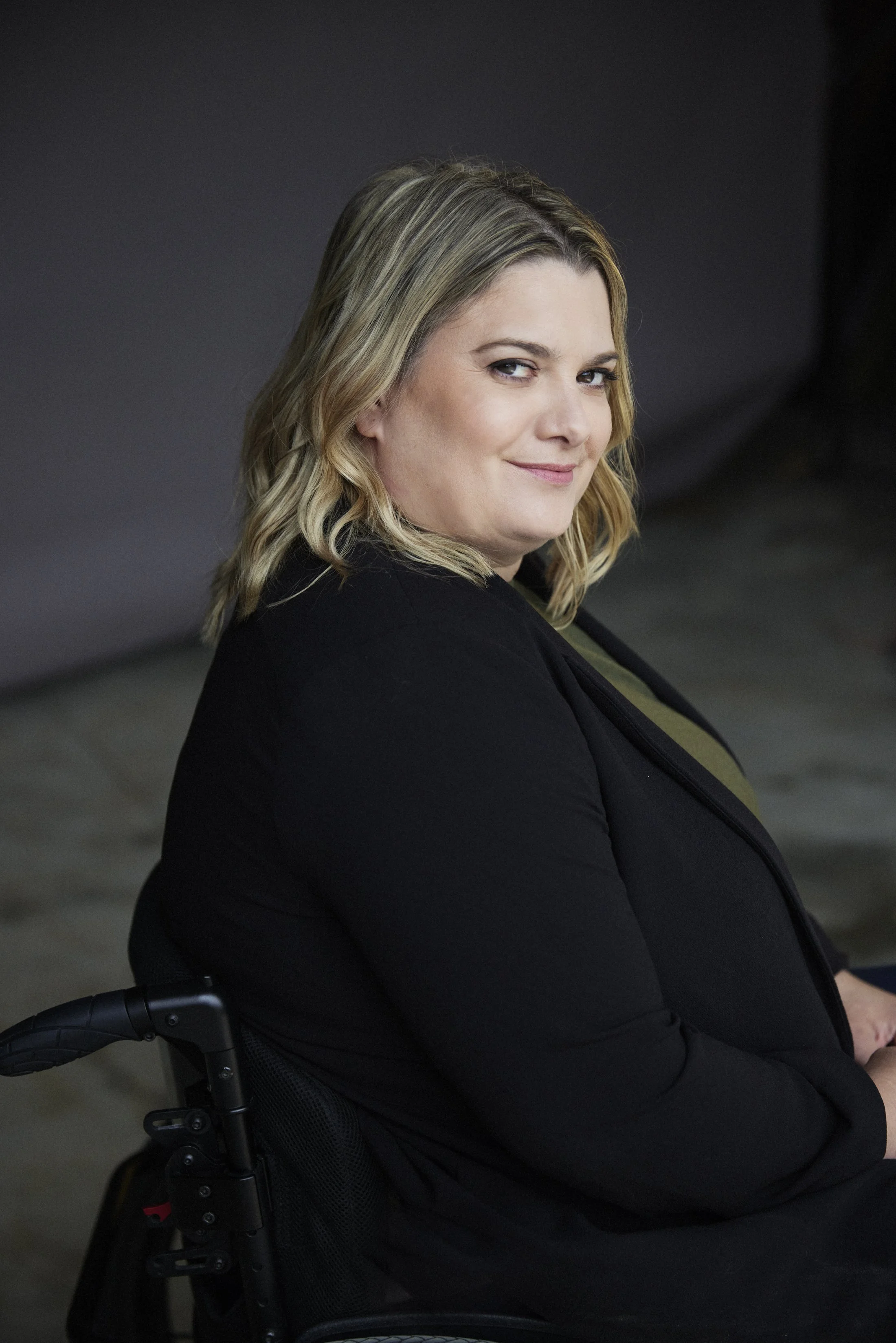
Juliana Carvalho is a Brazilian-born disability rights advocate, campaigner, consultant, author and speaker who has called Aotearoa New Zealand home since 2012. At 19, lupus caused a sudden inflammation of her spinal cord, leaving her paralysed and making her a wheelchair user. That experience shaped a lifelong commitment to challenging discrimination and creating a more accessible and inclusive society.
In Brazil, Juliana earned a degree in communications, created and presented the public television programme Make a Difference, and directed the award-winning short film If the Eyes Cannot See, the Legs Cannot Feel. Her autobiography, In My Chair or Yours?, sold more than 30,000 copies in Brazil, received Marie Claire Brazil’s Best True Story Award, and later reached Amazon’s Top 100 Hot New Releases in English.
In Aotearoa, Juliana has become a prominent voice for disability rights. She has led national advocacy for enforceable accessibility legislation, challenged discriminatory immigration health policies, and supported organisations and public bodies to design more inclusive systems and engagement processes. She serves on the National Executive Committee of Disabled Persons Assembly NZ and is DPA’s President Elect. Across her governance, campaigning, consulting and public speaking, Juliana combines lived experience, strategic insight, humour and determination to remove barriers and advance disabled people’s rights and leadership.
Professor Tristram R. Ingham KSO ONZM
Ngāti Kahungunu ki Heretaunga, Ngāti Porou
-
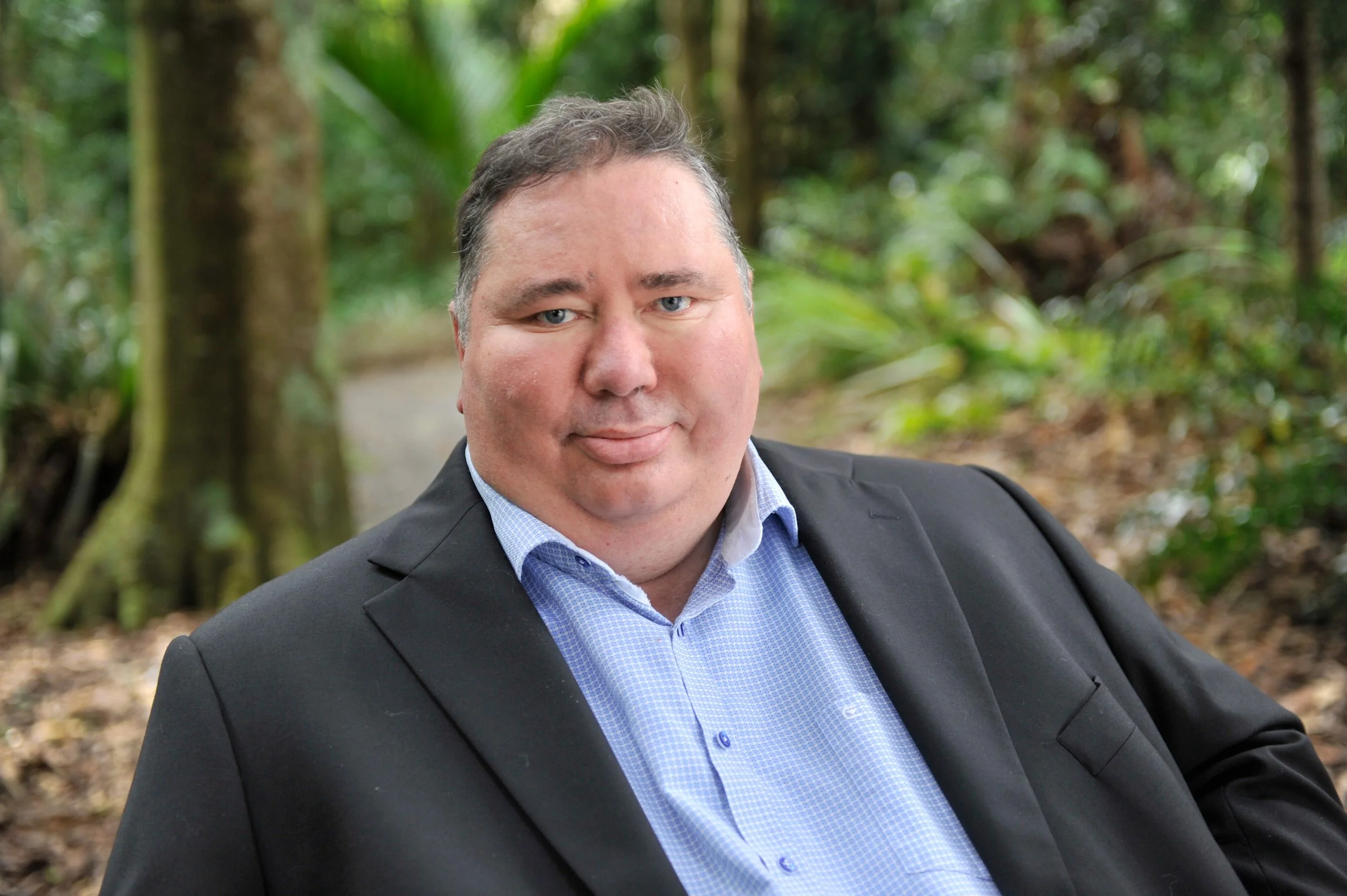
Tristram Ingham (Ngāti Kahungunu ki Heretaunga, Ngāti Porou) is a clinical epidemiologist, public health physician and disability advocate based at the University of Otago, Wellington. He is Chair of Te Ao Mārama Aotearoa Trust (TAMA), the national pan-iwi, pan-impairment Indigenous Disabled Persons Organisation for Aotearoa, and Executive Lead of the Foundation for Equity and Research New Zealand (FERNZ). He is Co-Director of the Te Ao Mārama National Māori Health, Wellbeing and Disability Panel, which has produced the largest kaupapa Māori disability dataset ever assembled in Aotearoa.
Tristram has lived with a physical disability since birth, and his work sits at the intersection of clinical epidemiology, kaupapa Māori research, Māori data sovereignty, and human rights. He has held national governance roles including Co-Chair of the Establishment Partnership Group for Whaikaha – Ministry of Disabled People New Zealand, member of the Royal Commission on Abuse in Care Disability Reference Group, and Board Member of Te Tāhū Hauora (the Health Quality and Safety Commission). He served on Aotearoa's Independent Monitoring Mechanism for the UN Convention on the Rights of Persons with Disabilities and presented to the CRPD Committee in 2022.
Tristram is a member of the Disability Declaration Aotearoa NZ Steering Committee.
His scholarship includes Karanga Rua, Karanga Maha and the Multidimensional Impacts of Inequities for Tāngata Whaikaha Māori. He was nationally recognised for leading the COVID-19 "bubble" strategy to protect disabled and immune-compromised communities.
Mark Benjamin QSM
Takata Tiriti
-
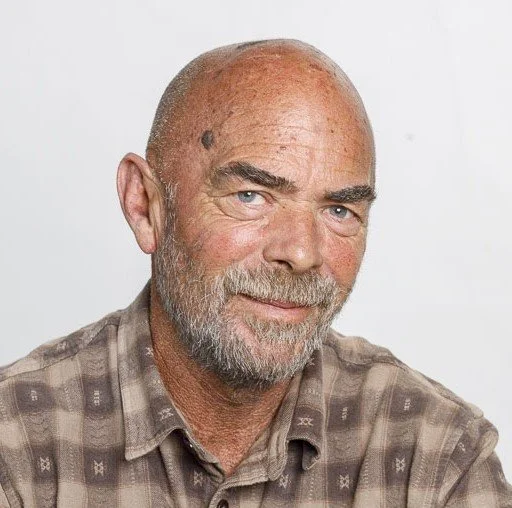
Mark is currently a Director of Catalyst Aotearoa. Mark has been involved in various youth/community work and adult education roles since the early 80s. Several of these roles have been within the disability sector. Primarily his work has been to develop approaches that effectively enable individuals and families to create good lives for themselves and growing community leadership.
Mark previously worked with SAMS (Standards and Monitoring Services). Over this period Mark led a variety of evaluation, education, research and resource development projects. Mark contributed to the original Enabling Good Lives report and has had involvement with EGL Christchurch, Waikato and Midcentral demonstrations as well as involvement with the Insights Alliance and growing regional leadership.
Mark currently has a part-time role as the Executive Officer for the EGL National Leadership Group.
Because the disabled community is so diverse, people's wishes for the declaration were too. Bringing everyone's ideas together was challenging and fruitful. To help organise how we work together and honour everyone's input, the Disabled Persons Assembly NZ (DPA), National Enabling Good Lives (NEGL), and Te Ao Mārama Aotearoa (TAMA) came together as partners in coordinating the kaupapa.
A steering group was created to help guide the process, make key decisions, bring people together, and secure funding to make the declaration possible. The group has two co-chairs, with one representing tāngata whaikaha Māori and whānau hauā via TAMA, in alignment with our commitment to Te Tiriti o Waitangi. DPA acts as the fund holder and as the Secretariat for the steering group.
The steering group members are:
Bernadette Huatau Jones (co-chair) (Ngā Wairiki, Ngāti Apa)
Kera Sherwood-O'Regan (co-chair) (Kāi Tahu, Kāti Māmoe, Waitaha)
Juliana Carvalho (Takata Tiriti)
Tristram Ingham KSO ONZM (Ngāti Kahungunu ki Heretaunga, Ngāti Porou)
Jade Farrar
Mark Benjamin QSM (Takata Tiriti)
Gordon Jackman (Takata Tiriti)
Alternate representatives:
Ollie Goulden (Takata Tiriti)
Joanne Dacombe (Takata Tiriti)
Secretariat & Support Team
Tikaka Advisor
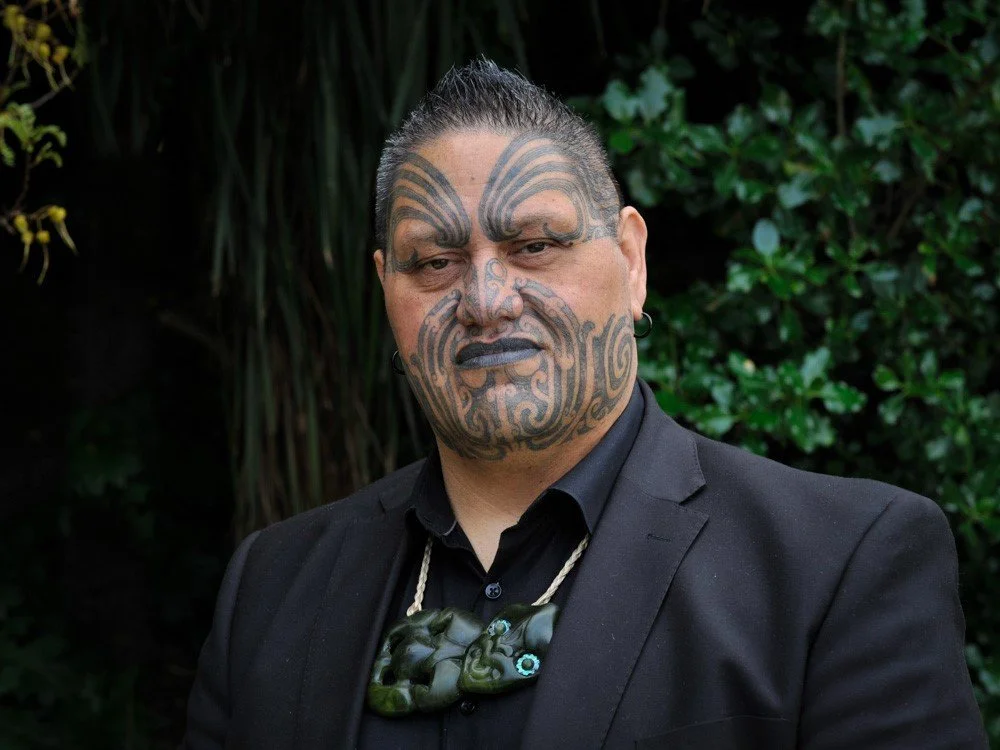
Taki Peeke
Ngā Wairiki, Ngāti Apa
-
Taki Peeke (Ngāti Pāoa, Ngāti Tamatera, Ngāti Hako, Ngāti Tara, Tokonui, Tāwhaki, Te Māhurehure) is Pou Tahu (Deputy Chair) of Te Ao Mārama Aotearoa Trust (TAMA), and was Pou Tikanga for TAMA's delegation to UN COSP19 where we shared about the Finding Common Ground project and Disability Declaration kaupapa.
He has been a TAMA board member since 2018 and is part of the Foundation for Equity and Research New Zealand (FERNZ).
Taki is tāngata whaikaha Māori with lived experience of physical disability, and he speaks for and as a member of his community. His advocacy is grounded in his own life, and was deepened by his role from 1985 as kaitiaki for his grandfather, whose head injury removed both his independence and his ability to carry his tribal and cultural responsibilities. From both threads, Taki has built a four-decade career walking alongside disabled Māori and their whānau. He began volunteering at his local IHC day base in 1989 and most recently served as Kaitakawaenga (national Māori advisor) to IDEA Services, the disability support arm of IHC, leading its Māori strategy and providing cultural training across the organisation. His work has centred on tāngata whaikaha Māori with learning disability, a community historically excluded from te ao Māori spaces and from disability rights conversations alike.
In 2017 Taki founded Te Anga Paua o Aotearoa (TAPOA), the national kapa haka festival for people with learning disability. For Taki, kapa haka is cultural immersion in its fullest form: a way of carrying the aspirations of Māori with learning disability into te ao Māori on equal terms. He says it does not matter what ability a performer brings, because the passion and commitment of kapa haka transcends ability. For many TAPOA participants it is the first time they have stood as Māori, alongside Māori, performing as Māori.
Taki carries the tikanga responsibilities of the TAMA delegation, ensuring the Disability Declaration kōrero remains grounded in tikanga and accountable to whānau Māori. He has also been central to TAMA's articulation of Te Tiriti o Waitangi based partnership with the Crown, including the Mana Ōrite position with Whaikaha – Ministry of Disabled People.
Project Manager
Mojo Mathers MNZM
Takata Tiriti
-
Mojo Mathers is the Chief Executive of DPA - the Disabled Persons’ Assembly, and has led the Finding Common Ground project that evolved into the Disability Declaration campaign as Project Manager.
I was born in the UK where I spent my early childhood and attended Mary Hare School, a boarding school for profoundly deaf children which had a strong focus on oralism. My mother’s family are from the County Durham region in the Northeast of England. My paternal grandfather's family were originally Ashkenazi Jews from Poland.
My family emigrated to Heretaunga/Hastings in 1981 where my sister and I attended Karamu High School. In 1985 I moved to Ōtautahi/Christchurch where I completed two degrees and had three children.
My previous roles have included being Strategic Policy Advisor between 2006 - 2011, NZ’s first deaf Member of Parliament between 2011-2017 and Policy Coordinator for DPA since 2019. In 2019 I was awarded a MNZM for services to disabled people.
I currently live with my partner Don, dog Kea and around 15 goats in Peel Forest – a tiny rural settlement in South Canterbury near the forested slopes of Huatakerekere (Little Mount Peel).
I am passionate about upholding the rights of tāngata whaikaha Māori and disabled people and interested in how best DPA can honor both Te Tiriti and the UNCRPD in our work.
Disability Advisor
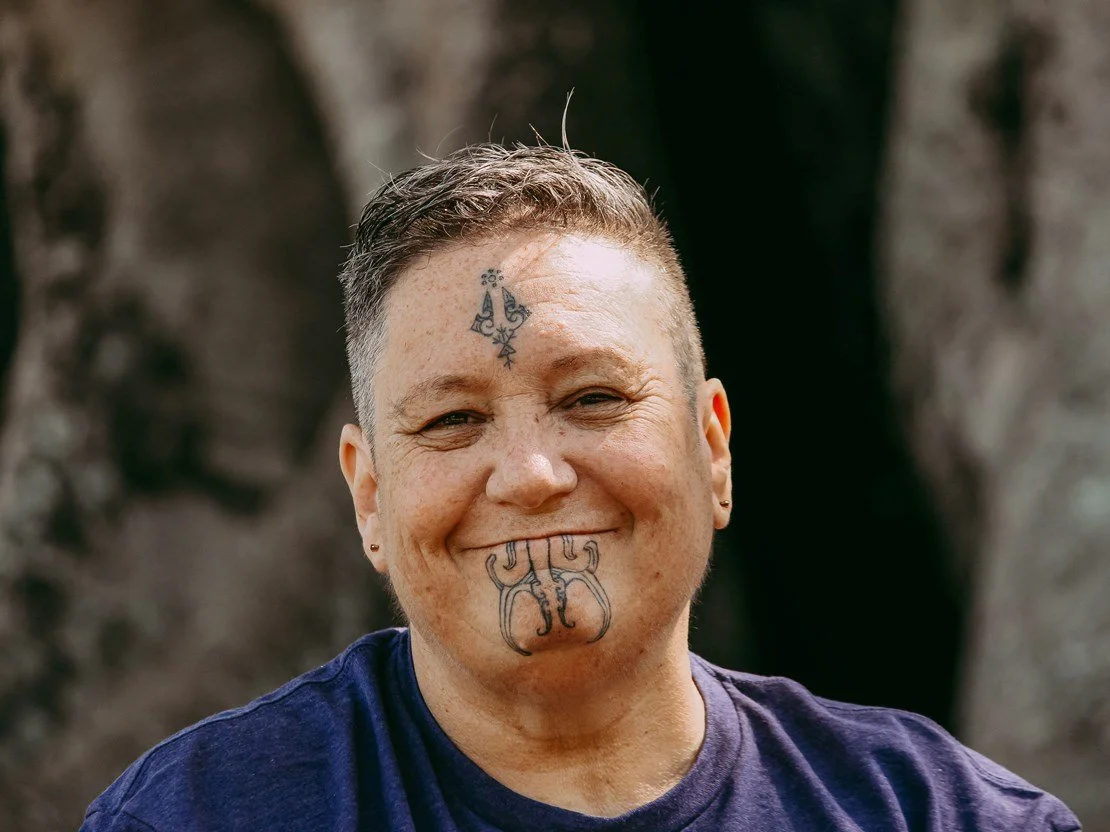
Dr Huhana Hickey MNZM
Ngāti Tahinga, Ngāti Ira, whānau hauā
-
Dr Huhana Hickey (Ngāti Tahinga, Tainui) is one of Aotearoa's most respected disability rights lawyers and academics. She holds an LLB, BSocSci, LLM (Distinction), and a PhD in Law and Tikanga Māori from the University of Waikato, where she became the first Māori woman, the second Māori, and the first disabled person to complete a doctorate in law. She lives with multiple sclerosis and writes and advocates from that lived knowledge as well as her legal training.
In 2008, Huhana became the first lawyer at Auckland Disability Law. She is a member of the New Zealand Human Rights Review Tribunal, has served on the board of Housing New Zealand, and is Co-Director of Pukenga Consultancy. She was appointed a Member of the New Zealand Order of Merit in 2015 for services to people with disabilities.
Huhana is the Pou leader for TAMA in Tamaki-Makaurau (Auckland). She brings te ao Māori, the CRPD, UNDRIP, and Aotearoa human rights law into one frame. She is a co-author of The Multidimensional Impacts of Inequities for Tāngata Whaikaha Māori and a long-standing public voice for whānau hauā and tāngata whaikaha Māori.
On 1 June 2026 she filed a formal communication with the United Nations Special Rapporteur on the Rights of Persons with Disabilities concerning regressive disability policy in Aotearoa, including the Disability Support Services Bill currently before Parliament.
Huhana provides specialist advisory support to the Disability Declaration kaupapa and has been a member of the Design Group.
Secretariat
Patti Poa
Ngāpuhi
-
Patti is a Policy Advisor for DPA - the Disabled Persons Assembly, and provides Secretariat support for the Disability Declaration kaupapa as well as contributing to the Design Group.
I am an Indigenous disabled takatāpui community advocate based in Taitokerau.
Professionally and personally, my work focus is on whanau hauā, Deaf, mental health, chronic illness, neurodiverse and political disability groups. My background is in employment, education, public health, business and kaupapa Māori organisations.
I work within Te Ao Māori to create greater inclusion and understanding of disabled people and our representative organisations. I founded a Taitokerau disability social event club with her Pākeha disabled partner Adam to combat social isolation which is a work in progress.
I hope to bring my skills, experience, background and people connections to DPA to serve our vision of a society where all disabled people lead in their own lives and in their community.
TAMA provide tikaka guidance and support to ensure the Declaration represents the voices and aspirations of takata whaikaha and whānau hauā māori.
Taki Peeke - Tikaka advisor (Ngā Wairiki, Ngāti Apa)
Huhana Hickey - Advisor (Ngāti Tahinga, Ngāti Ira, whānau hauā)
DPA acts as the fund holder and as the Secretariat for the steering group. The Secretariat are:
Mojo Mathers - project manager (Takata Tiriti)
Patti Poa - coordination support (Ngāpuhi-nui-tonu)
Pip Townsend (Takata Tiriti)
Tātou~Tātou
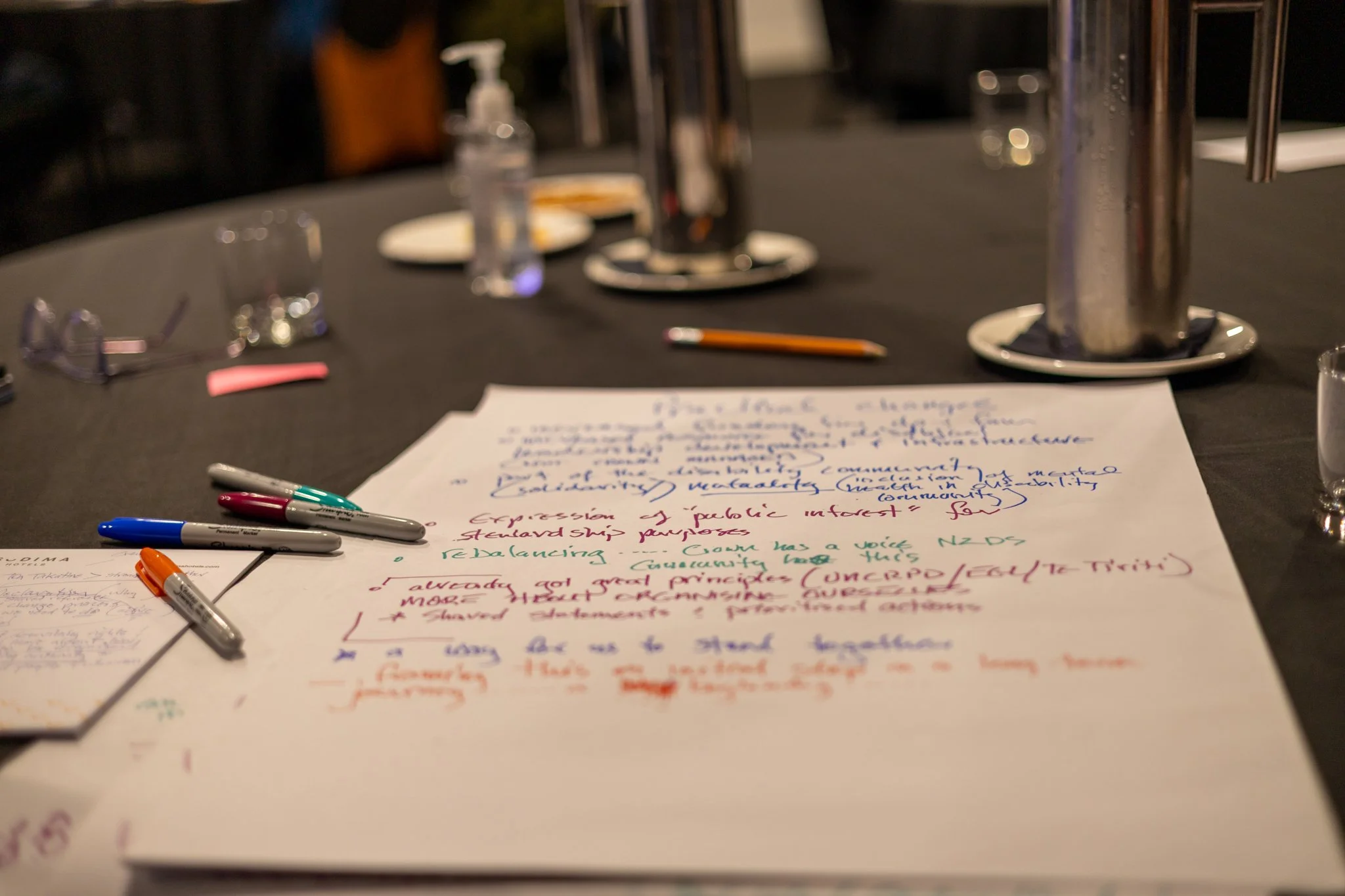
The team at Tātou~Tātou Social Innovation Studio has been supporting this work by holding engagements and facilitating the drafting process. Tātou~Tātou is a disabled-led, Māori and Pasifika design research organisation. The team for this project is made up of:
George Vaeau - Project Lead (Si’usega, Sāmoa)
Tarapuhi Vaeau - Design Lead (Ngāti Raukawa ki Te Tonga, Te Ati Haunui-a-Papārangi)
Narelle Hepi (Ngāti Tuwharetoa, Lepea Sāmoa)
Sosefina Oloito’a (Salelesi, Fusi Saluafata, Sāmoa)
Rimu Bhū'ī (Panjābī Sikh, Tauiwi)

Design Team
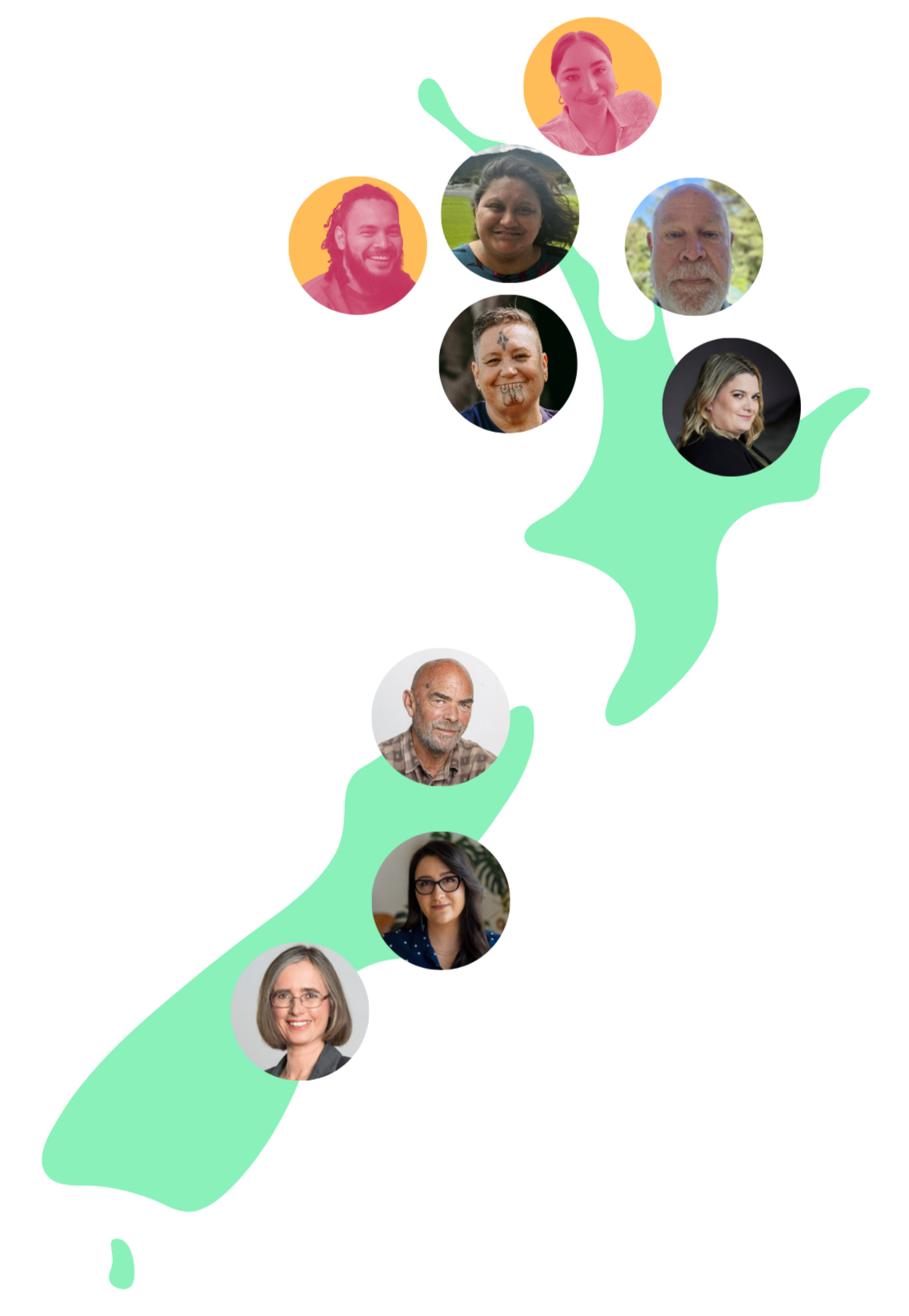
Tātou~Tātou convened a team of disabled people with different experiences to help make decisions about the details of the draft and drafting process. This group was named the Design Team and is comprised of the following people:
Gordon Jackman (Takata Tiriti)
Dr Huhana Hickey MNZM (Ngāti Tahinga, Ngāti Ira; whānau hauā)
Juliana Carvalho (Takata Tiriti)
Kera Sherwood-O’Regan (Kāi Tahu, Kāti Māmoe, Waitaha)
Mark Benjamin QSM (Takata Tiriti)
Mojo Mathers (Takata Tiriti)
Patti Poa (Ngāpuhi-nui-tonu)
The Design Team met regularly to review what people had shared, identify common threads and differences, and test different ways to reflect these in the declaration. The team also drew on key documents and tested developing ideas with people through interviews and focus groups.
Our team are grateful to receive funding for this important mahi from Foundation North, J R McKenzie Trust, and Spectrum Foundation.